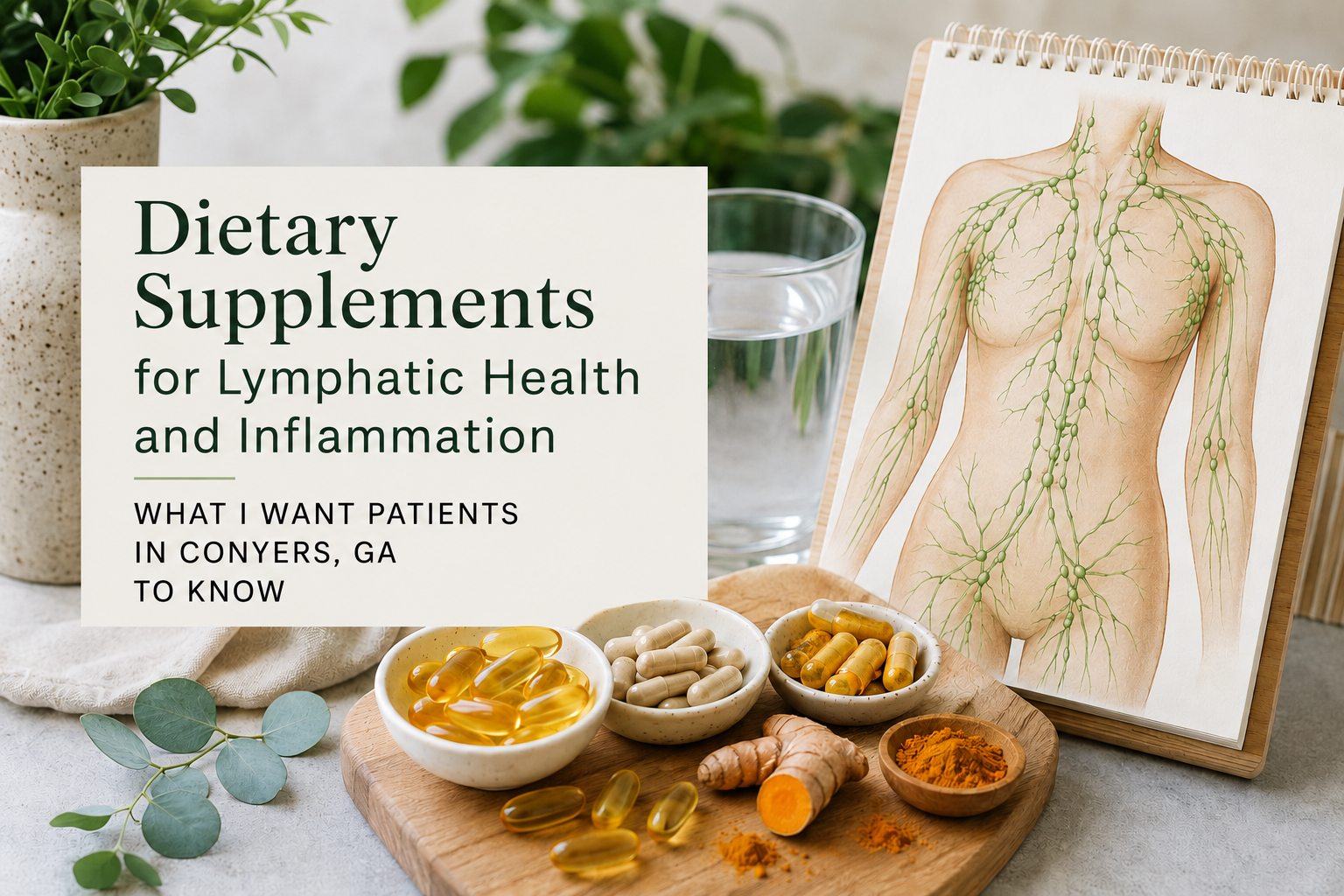
At GRŪV Wellness Clinic in Conyers, GA, I frequently meet patients who struggle with swelling, fluid retention, chronic inflammation, fatigue, and feelings of "sluggishness." While many people focus on diet, exercise, and hydration, they often overlook an important part of the body's wellness system—the lymphatic system.
The lymphatic system plays a critical role in maintaining fluid balance, supporting immune function, removing waste products, and helping regulate inflammation throughout the body. When lymphatic flow becomes impaired or sluggish, fluid can accumulate in tissues, contributing to swelling, discomfort, and chronic inflammation. Research continues to demonstrate that inflammation and lymphatic function are closely connected, with dysfunction in one often affecting the other.
Understanding the Connection Between the Lymphatic System and Inflammation
Think of the lymphatic system as the body's drainage and recycling network. It transports excess fluid, proteins, cellular waste, and immune cells throughout the body. Unlike the circulatory system, which has the heart to pump blood, the lymphatic system relies on muscle movement, breathing, hydration, and healthy tissues to keep lymph flowing.
When lymphatic flow slows down, inflammatory substances can accumulate in tissues, creating a cycle of swelling and inflammation. This is one reason why individuals with lymphedema or chronic swelling often experience ongoing inflammation and tissue changes over time.
Can Dietary Supplements Support Lymphatic Health?
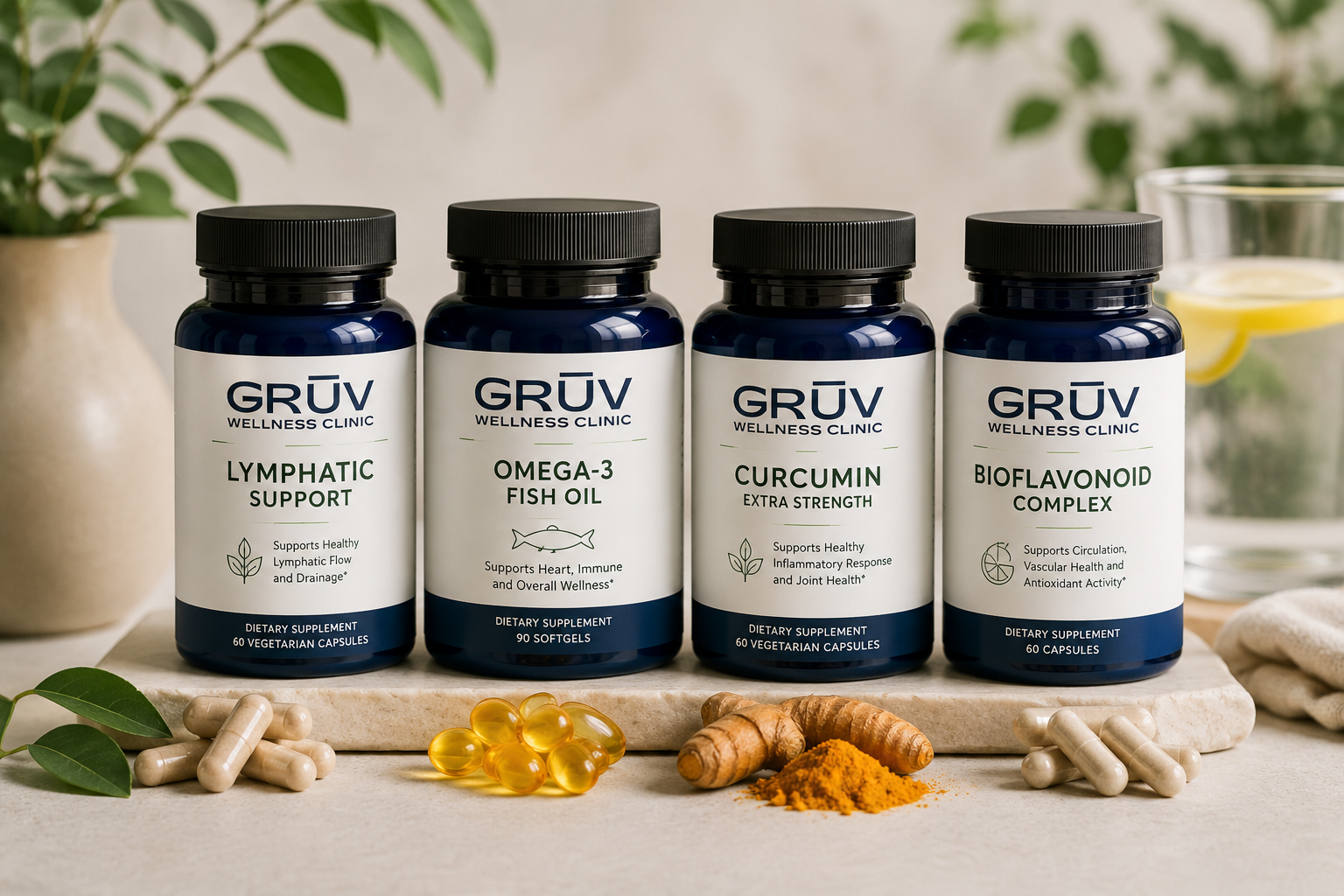
Patients often ask me whether supplements can improve lymphatic drainage. While supplements should never replace medical evaluation or treatment, certain nutrients and plant compounds may help support healthy inflammatory responses, vascular integrity, and overall lymphatic function.
A comprehensive review of dietary supplements used in lymphedema management identified several nutrients and botanical compounds that may provide supportive benefits when combined with lifestyle interventions and appropriate medical care.
Omega-3 Fatty Acids
Omega-3 fatty acids, commonly found in fish oil, have been extensively studied for their anti-inflammatory effects. These healthy fats help regulate inflammatory pathways and may support overall tissue health.
Many Americans consume far more inflammatory omega-6 fats than omega-3 fats, making supplementation a reasonable consideration for some individuals. In addition to supporting cardiovascular health, omega-3 fatty acids may help reduce chronic low-grade inflammation that can negatively affect lymphatic function.
Curcumin
Curcumin is the active compound found in turmeric and is one of the most researched natural anti-inflammatory supplements available today.
Studies suggest that curcumin may help modulate inflammatory signaling pathways and oxidative stress. Because chronic inflammation contributes to tissue damage and impaired lymphatic function, curcumin may be a useful addition to a comprehensive wellness plan for appropriate individuals.
Selenium
Selenium is an essential trace mineral involved in antioxidant defense and immune function. Some research has examined selenium supplementation in individuals with lymphedema, with findings suggesting potential improvements in swelling and quality of life when deficiencies are present. However, supplementation should be individualized because excessive selenium intake can be harmful.
Flavonoids and Plant-Based Antioxidants
Flavonoids are naturally occurring compounds found in fruits, vegetables, and certain supplements. They may help strengthen blood vessels, support circulation, and reduce oxidative stress.
Compounds such as rutin, quercetin, and other bioflavonoids have been studied for their effects on vascular health and fluid balance. While more research is needed, these plant-derived nutrients may offer additional support for healthy inflammatory responses.
Lifestyle Habits Matter More Than Any Supplement
One of the most important messages I share with patients is that supplements work best when combined with healthy lifestyle practices.
To support lymphatic health naturally, I recommend:
Staying well hydrated throughout the day
Engaging in regular physical activity
Walking daily
Maintaining a healthy body weight
Eating a diet rich in fruits and vegetables
Limiting ultra-processed foods
Reducing excess sugar intake
Prioritizing adequate sleep
Managing stress effectively
Considering lymphatic massage or manual lymphatic drainage when appropriate
These strategies help support natural lymphatic movement and may reduce chronic inflammation throughout the body.
A Word of Caution
Not all supplements are created equal. Dietary supplements are not regulated to the same standards as prescription medications, and quality can vary significantly between manufacturers. Additionally, some supplements can interact with medications or may not be appropriate for individuals with certain health conditions.
Before starting any supplement regimen, I encourage patients to discuss their medical history, medications, and goals with a qualified healthcare provider.
Final Thoughts
The lymphatic system is one of the most overlooked aspects of health, yet it plays a vital role in immune function, fluid balance, and inflammation control. While dietary supplements such as omega-3 fatty acids, curcumin, selenium, and certain bioflavonoids may provide supportive benefits, they should be viewed as part of a comprehensive wellness strategy rather than a quick fix.
If you're experiencing persistent swelling, fluid retention, inflammation, or concerns about your lymphatic health, a thorough evaluation can help identify underlying causes and determine the most appropriate treatment options. By combining evidence-based nutrition, movement, hydration, and targeted supplementation when appropriate, we can support healthier lymphatic function and overall wellness.
References
Bonetti, G., Dhuli, K., Michelini, S., Michelini, S., Michelini, S., Ricci, M., Cestari, M., & Bertelli, M. (2022). Dietary supplements in lymphedema. Journal of Preventative Medicine & Hygiene, 63(3), E200-E205. https://doi.org/10.15167/2421-4248/jpmh2022.63.2S3.2761